


Air quality, the environment, and the Great Salt Lake

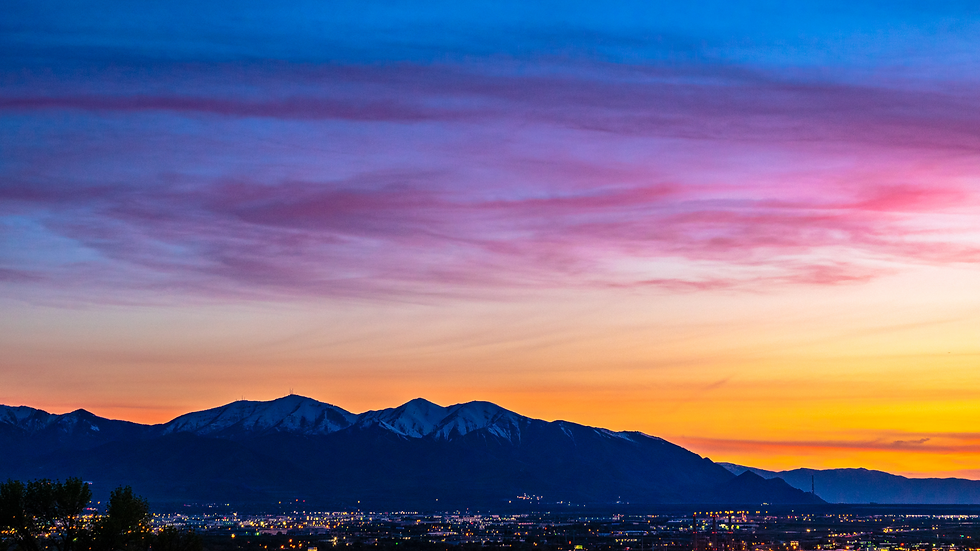
Clean air is not a luxury. It is a basic right. It is inseparable from public health, quality of life, and whether people can actually thrive in the place they call home. Utah’s air-quality problems are theoritical or hyperbole. Families feel them every winter when an inversion settles into the valley. Children with asthma feel them in their lungs. Workers breathe them on job sites. Seniors and people with underlying health conditions pay the price first. That is why I treat air quality as a public-health issue— not an acceptable tradeoff and not some minor inconvenience we are supposed to normalize.
That means cleaner energy, smarter transportation planning, and holding major polluters accountable instead of shifting the cost of dirty air onto families. Sick communities are not a sign of prosperity. They are a sign of failed stewardship. And nowhere is that failure more dangerous than at the Great Salt Lake.
The Great Salt Lake is not just scenery. It is a keystone system for the Wasatch Front and the entire region. As the lake declines, more playa is exposed, dust risk increases, and the threats to public health, wildlife, snowpack, and Utah’s economy grow with it. Exposed lakebed dust can contain arsenic and other hazardous metals, and the danger becomes more serious the more of the lake we allow to disappear.
This is not hyperbole, and it is not some environmentalist ghost story. We have already seen what happens when a great inland lake is allowed to collapse.
The Aral Sea is one of the clearest warnings in modern history. As it dried, the exposed seabed became a major source of salt and toxic dust storms that damaged public health, degraded soil and air quality, and devastated communities and local economies across the region. Governments and international institutions are still spending enormous resources trying to stabilize and restore what was lost.
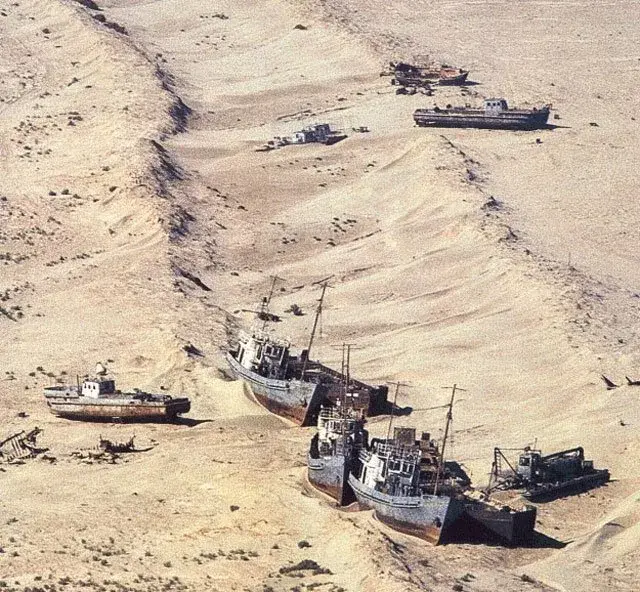
That is what makes lake collapse so dangerous. Once a system fails at that scale, reversing the damage becomes vastly harder and vastly more expensive.
The lesson is not that Utah is doomed. The lesson is that collapse is not theoretical, and prevention is far less expensive than trying to rebuild after the damage is done.
It is not too late to change course. But the window is not infinite, and half-measures are not going to save the lake.
I support aggressive conservation, smarter water use, agricultural efficiency reforms, and long-term planning aligned with hydrological reality rather than political convenience. And I am open to ambitious, even unconventional solutions, because the scale of the problem now demands serious thinking instead of incremental gestures.
That includes exploring large-scale water-restoration concepts that treat the Great Basin as a connected hydrological system rather than a patchwork of declining lakes forced to compete for the same shrinking supply. Any proposal must be grounded in sound science, transparent cost-benefit analysis, environmental review, and respect for the communities and ecosystems it would affect. But refusing even to examine solutions because they are ambitious is not prudence. It is surrender to the status quo.
And the status quo is the most radical and dangerous option of all. Conservation also cannot fall on farmers and families alone while the largest new resource users receive a pass. Utah is in a gold rush to build data centers. Depending on their scale and cooling technology, these facilities can consume enormous amounts of water directly or increase water demand indirectly through the electricity required to operate them.
That is precisely why disclosure and accountability matter. I have proposed taxing data centers based on their actual resource consumption and extraction— including power, water, land, emissions, thermal output, and on-site energy generation— much as we tax other extractive industries. That revenue should help fund Utah’s schools rather than disappearing into a corporate ledger.
If a company wants to build here, it should pay for what it takes from here. That includes any water its operations remove from a basin already struggling to sustain the Great Salt Lake.
For agriculture, the path is not punishment. It is partnership. I support compensated water leasing, infrastructure investment, and efficiency programs that allow farmers to conserve water without sacrificing their livelihoods. Efficiency reform cannot become a polite excuse to squeeze the people who feed us while larger and more politically connected users escape scrutiny.
Stewardship means recognizing limits. Growth that destroys the natural systems it depends on is not progress. It is a countdown to our own demise.
This is the same principle behind Smart Density in how we build. Water and sewer capacity must be demonstrated, not assumed, before another major development is approved. A subdivision built because nobody verified whether the water existed to sustain it is not responsible growth. It is a debt against the lake that someone else will eventually be forced to pay.
If we want a livable Utah for the next generation, saving the Great Salt Lake must be treated as what it actually is: one of the most urgent public-health, environmental, and economic responsibilities we have.
We can conserve water without abandoning agriculture. We can grow without pretending natural limits do not exist. We can welcome innovation without allowing corporations to externalize their costs onto the public. And we can protect the lake without surrendering to the politics of half-measures. But we have to act like the future matters while there is still a future left to protect.


Comments